Orthopedic
PRP Injections for Orthopedic Conditions
Regenerative treatment using concentrated platelets from your own blood to support healing in joints, tendons, and ligaments
Performed by
Orthopedic Surgeon

About the Treatment
What is PRP Injections for Orthopedic Conditions?
Platelet-Rich Plasma (PRP) is a regenerative treatment that uses a concentrated portion of your own blood to support healing in joints, tendons, and ligaments. A small sample of blood is drawn, processed in a specialized centrifuge, and concentrated to isolate platelets and growth factors. The PRP is then injected into the affected area to support the body's natural repair response. PRP is commonly used for mild to moderate osteoarthritis of the knee, hip, shoulder, ankle, and thumb, as well as chronic tendinopathies such as tennis elbow, patellar tendinosis, Achilles tendinosis, plantar fasciitis, and rotator cuff tendinosis.
Benefits
Why Choose This Treatment
Uses your own natural growth factors
Supports body's natural healing response
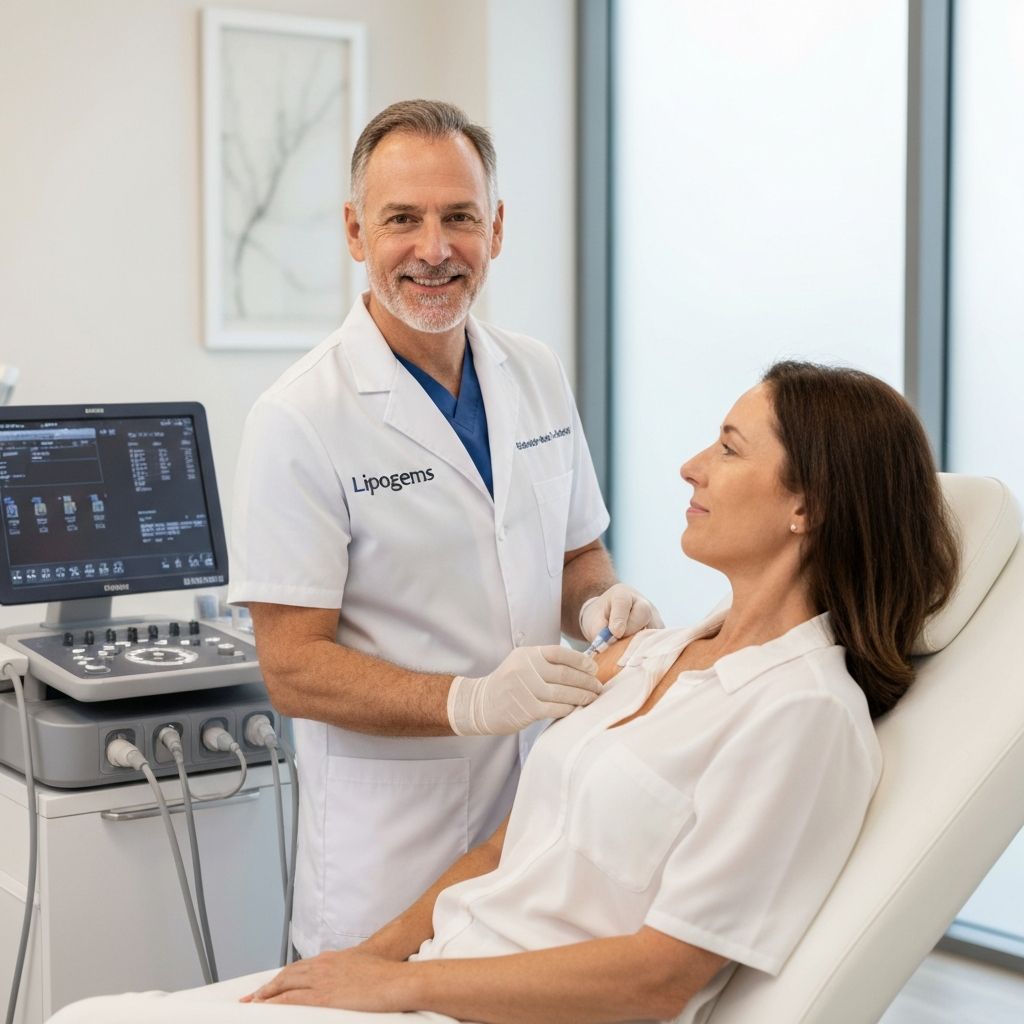
Ultrasound-guided for precise placement
Minimally invasive procedure
Improvement may begin within 2–6 weeks
Your Experience
What to Expect
The procedure is performed using sterile technique in a medical setting. A small amount of blood, typically 20–60 mL, is drawn from a vein in the arm and placed into a specialized tube. The blood is processed using an FDA-cleared centrifuge system. The final PRP preparation is drawn into sterile syringes for injection. The injection site is cleansed and prepared using sterile technique. Ultrasound guidance is used for tendon, ligament, and most joint injections to ensure precise placement. Typical injection volumes vary by location: Knee approximately 3–8 mL, Shoulder approximately 3–5 mL, Tendons approximately 2–4 mL.
Candidacy
Ideal Candidates
You may be a candidate if you have mild to moderate osteoarthritis (Grade I–III) or a chronic tendon condition lasting more than 3–6 months that has not improved with conservative treatment such as physical therapy, medications, or activity modification. You may not be a candidate if you have active infection, platelet dysfunction disorders, severe thrombocytopenia, hemodynamic instability, active cancer at the treatment site, immunosuppression, recent corticosteroid injection at the target site, pregnancy, or breastfeeding.
Important Information
Potential Side Effects
Increased soreness or inflammation for several days
Post-injection swelling and stiffness
Temporary pain flare common
Less common: infection, bleeding, or nerve injury
Typically not covered by insurance
Complimentary Consultation
Begin Your Journey
A comprehensive evaluation and imaging review are required before proceeding. Our provider will assess your condition and determine if PRP therapy is the right treatment option for you.
Medical Disclaimer
PRP is considered safe when performed by experienced physicians. Because it uses your own blood, the risk of allergic reaction is very low. PRP therapy is not FDA-approved for orthopedic use (considered off-label), and insurance typically does not cover it. Results are not guaranteed and vary by individual. Avoid blood thinners before treatment and follow all post-treatment instructions for best outcomes.
Ready to Begin Your Journey?
Schedule a personalized consultation with Dr. Mohamed Ahmed to discuss your aesthetic goals and create a customized treatment plan.